Relaxation and Risk: When Leisure Turns Dangerous
We have all found ourselves in situations where we relax over a long weekend, during the holiday season, at a social gathering, or simply unwinding in a pub or restaurant when our favourite team has a game. These activities often involve alcohol, a significant amount. But what if this relaxation leads to a serious automobile accident? Who can be held responsible in such a grave situation?
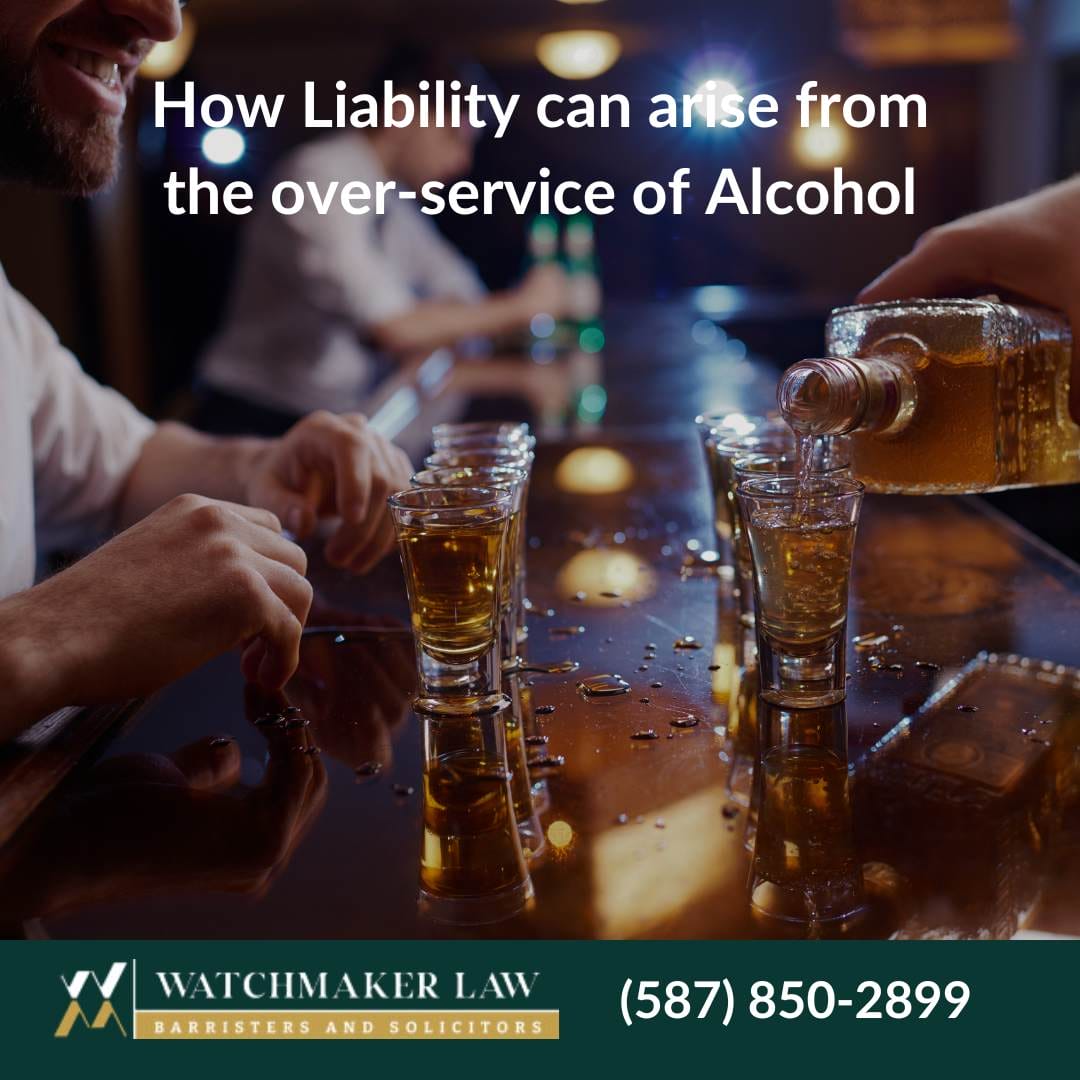
Alberta law prohibits commercial alcohol-serving establishments from selling or providing liquor to a person visibly intoxicated by alcohol or permitting them to consume alcohol on their premises. Commercial establishments serving alcohol, including pubs, restaurants, and hotels, can be held liable for negligence for an incident that happens after their intoxicated patron causes a motor vehicle accident while driving under the influence. Like other cases of negligence, an injured person must successfully establish that:
• The commercial establishment or host owes them a duty of care.
• The establishment breached the duty of care.
• The person was injured, and the act or omission of the commercial establishment caused the injury.
• The injury is a foreseeable result of the act
The commercial establishment or host owes them a duty of care
The concept of ‘duty of care’ is a fundamental principle in tort law. It refers to the legal obligation of a person or organization to avoid acts or omissions that could reasonably be foreseen to cause harm to others. In the context of alcohol-serving establishments, a duty of care exists when it can be shown that the injury a person suffered is a foreseeable consequence of the conduct or misconduct of another person. For instance, if a visibly intoxicated person is allowed to drive, it is foreseeable that they might cause an accident. Simply put, the duty of care extends to those whom a person reasonably contemplates may be harmed or affected by their action.
A commercial establishment serving alcohol for a fee has a significant duty of care towards it intoxicated patrons who may be unable to take care of themselves after consuming alcohol. This duty includes the responsibility to prevent the intoxicated patron from driving, especially when it is clear that the person intends to drive. The establishment can also inquire about the patron’s mode of transportation home and whether they will be driving a motor vehicle, underlining the crucial role they play in preventing potential harm.
An alcohol-serving establishment has a duty of care to ensure the safe ejection of a visibly intoxicated person from their premises and to prevent the person from being placed in a situation where they risk injury, such as when the establishment is aware that the intoxicated person will be walking on a highway.
The commercial establishment also owes a duty to third parties, as that intoxicated patron may pose some risk. e.g. road users who are injured in a motor vehicle accident caused by the intoxicated driver who was driving. Overall, Commercial vendors of alcohol unquestionably owe a general duty of care to persons who can be expected to use the highways.
The establishment breached the duty of care
The injured person must establish that the establishment breached their duty of care. This can be done by showing that the establishment did not stop serving a visibly intoxicated person, or allowed an intoxicated person to drive while impaired, or even failing to eject the intoxicated person properly, e.g. not putting them in a cab.
That the person got injured and the injury was caused by the act or the omission of the commercial establishment
What this entails is that the person injured in the MVA caused by the intoxication must show that they would not have been hurt if not because of the act of the alcohol serving establishment. Where the injured person cannot demonstrate that they would not have been injured if not for the establishment’s act, they can still show that the act materially contributed to their injury.
The injury is a foreseeable result of the act
This means that for the injured person to be successful in a claim of negligence against the commercial establishment, they must show that the injury they suffer, or the accident is an expected result of the act of the establishment or their failure to act.
Conclusion
Commercial alcohol-serving establishments in Alberta carry a significant legal responsibility to protect not only their patrons but also the public. By understanding and adhering to their duty of care, these establishments can play a crucial role in preventing alcohol-related harm. Overserving or failing to eject an intoxicated patron safely can be a breach of legal duty that can result in lasting consequences, not only to the intoxicated patron but also to unsuspecting road users.
Takeaways
• Alberta law prohibits serving alcohol to visibly intoxicated individuals in commercial settings.
• Establishments like pubs and restaurants can be held liable if an intoxicated patron causes harm after being served.
• The concept of duty of care is central to preventing foreseeable harm, and it includes ensuring safe transportation and preventing impaired driving.
• Commercial alcohol serving can also be liable for injuries caused to third parties, such as other road users.
• To prove negligence, the injured party must show breach of duty, causation, and foreseeability.
If you have sustained injuries in a motor vehicle accident caused by the failure of bar, pub or restaurant’s failure to prevent the intoxicated at fault driver from causing harm, our lawyers are available 24/7 to review the facts of your specific case and provide information to you on the options available to you, including assistance with your Accident Benefits claim.
Watchmaker Law is an Edmonton, Alberta based law firm that is led by one of Canada’s Top 25 Most Influential Lawyers, David Sowemimo. He has handled several complex personal injury cases that cut across both no-fault and tort jurisdictions.
We can be reached at 825-203-9801 or chat live with a member of our legal team now on our home page.