And How Watchmaker Accident Lawyers in Edmonton, Led by Personal Injury Lawyer David Sowemimo, Can Help
Winter highway driving in Alberta is unforgiving. Icy surfaces, whiteout conditions, blowing snow, black ice, and reduced visibility turn even routine trips on highways like Highway 2, the Yellowhead (Highway 16), Anthony Henday Drive, or rural provincial roads into high-risk journeys. When a winter highway accident happens, the aftermath can be overwhelming—physically, emotionally, and financially.
This guide explains exactly what to do after a winter highway accident in Alberta, your legal rights, and how Watchmaker Injury Law, led by David Sowemimo, can help protect you, your family, and your future.
1. Prioritize Safety Immediately After the Crash
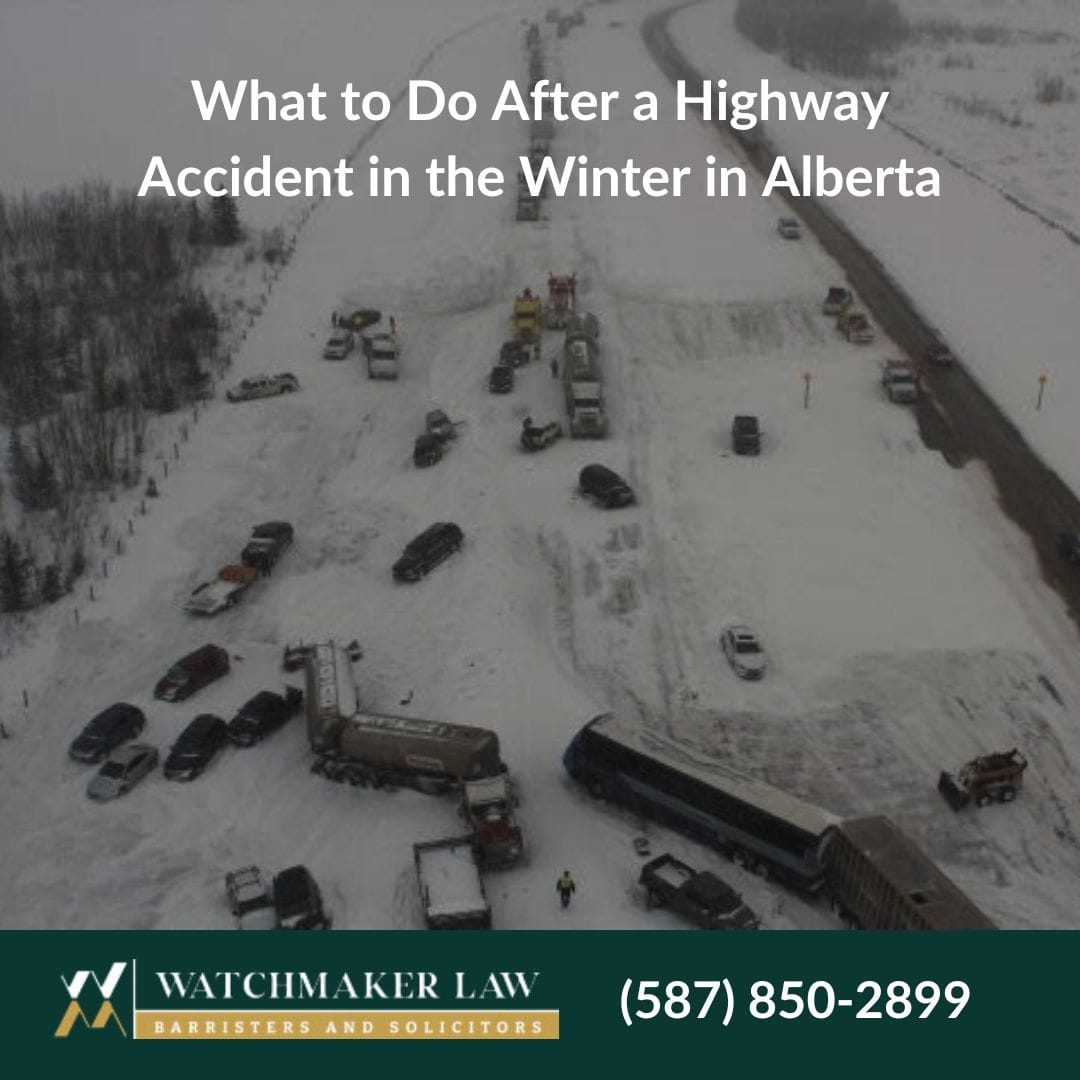
Winter highway accidents often involve multiple vehicles, delayed emergency response times, and ongoing hazards from traffic and weather.
Step-by-step safety actions:
• Check for injuries (yourself, passengers, and others)
• Call 911 immediately if there are injuries, blocked lanes, or hazardous conditions
• Move vehicles off the roadway if safe to do so
• Turn on hazard lights
• Stay inside your vehicle if conditions are unsafe outside
• Use reflective triangles or flares if available
In winter, staying warm and visible can be lifesaving while waiting for help.
2. Call the Police – Always Essential in Winter Highway Crashes
In Alberta, police involvement is critical when:
• Injuries occur
• Damage exceeds $5,000
• Roads are blocked or unsafe
• Weather or road conditions contributed to the crash
Police reports become key evidence in winter accident injury claims, especially where:
• Black ice or poor maintenance is involved
• Commercial trucks are part of the collision
• Liability is disputed due to road conditions
3. Document the Scene (If Safe to Do So)

If conditions allow, gather evidence before vehicles are towed or snow covers important details:
Take photos or videos of:
• Vehicle positions and damage
• Road conditions (ice, snow buildup, poor plowing)
• Tire marks or lack thereof
• Weather and visibility
• Traffic signs or lack of warnings
Collect:
• Names and contact info of drivers and witnesses
• Insurance details
• Time, location, and highway name
Winter conditions change fast—evidence can disappear within minutes.
4. Seek Medical Attention Immediately (Even If You Feel “Fine”)
Many winter highway injuries are delayed-onset, including:
• Whiplash
• Concussions
• Soft-tissue injuries
• Back and spinal injuries
Adrenaline and cold can mask symptoms. Seeing a doctor:
• Protects your health
• Creates medical records critical to your injury claim
• Links your injuries directly to the accident
Delaying care can seriously harm both recovery and compensation.
5. Notify Your Insurance Company – Carefully
Report the accident promptly, but:
• Stick to facts
• Avoid speculating about fault
• Do not give recorded statements without legal advice
• Do not accept early settlement offers
Insurance companies often minimize winter accident claims by arguing:
• “Weather conditions are unavoidable”
• “You should have driven slower”
• “Injuries aren’t that serious”
This is where legal representation matters.
6. Understand Fault in Winter Highway Accidents in Alberta
Alberta uses a fault-based insurance system. Even in winter conditions, someone can still be legally responsible.
Potentially liable parties include:
• Another driver (speeding, following too closely)
• Commercial trucking companies
• Municipal or provincial road maintenance authorities
• Employers of at-fault drivers
“Winter conditions” do NOT automatically remove liability.
7. When Should You Contact a Personal Injury Lawyer?
You should speak with a lawyer as soon as possible if:
• You were injured
• A highway or commercial vehicle was involved
• Fault is disputed
• Your injuries affect work or daily life
• The insurer pressures you to settle quickly
Early legal help preserves evidence and protects your rights.
How Watchmaker Accident Lawyers in Edmonton Can Help
Watchmaker Injury Law focuses exclusively on representing injured Albertans—not insurance companies.
Led by David Sowemimo, the firm brings deep experience handling complex winter highway accident claims across Alberta.
Their support includes:
1. Immediate Case Assessment
• Free consultations
• Clear explanation of your rights and options
• No upfront legal fees (contingency-based)
2. Evidence & Liability Investigation
• Reviewing police reports
• Analyzing winter road conditions
• Working with accident reconstruction experts
• Identifying all liable parties
3. Dealing with Insurance Companies
• Handling all communications
• Preventing lowball settlement tactics
• Protecting you from harmful statements
4. Full Compensation Pursuit
They seek damages for:
• Medical and rehabilitation costs
• Lost income and future earning capacity
• Pain and suffering
• Long-term disability and care needs
• Out-of-pocket expenses
5. Litigation When Necessary
If insurers refuse fair compensation, Watchmaker Accident Lawyers are fully prepared to:
• File lawsuits
• Negotiate aggressively
• Take cases to court when required
Why Local Edmonton Experience Matters
Winter highway accidents in Alberta are legally complex due to:
• Provincial regulations
• Weather-related liability issues
• Rural highway jurisdictions
• Commercial transport routes
A local Edmonton-based injury law firm understands:
• Alberta courts
• Regional road authorities
• Winter-specific injury patterns
• Local insurers and defense strategies
This local insight can make a decisive difference.
Final Thoughts: Protect Yourself After a Winter Highway Accident
A winter highway accident can change your life in seconds—but you don’t have to face the aftermath alone.
By:
• Acting quickly
• Documenting carefully
• Seeking medical and legal help early
…you protect both your health and your future.
If you or a loved one has been injured in a winter highway accident anywhere in Alberta, Watchmaker Injury Law, led by David Sowemimo, is ready to stand up for you—so you can focus on recovery while they fight for justice.